
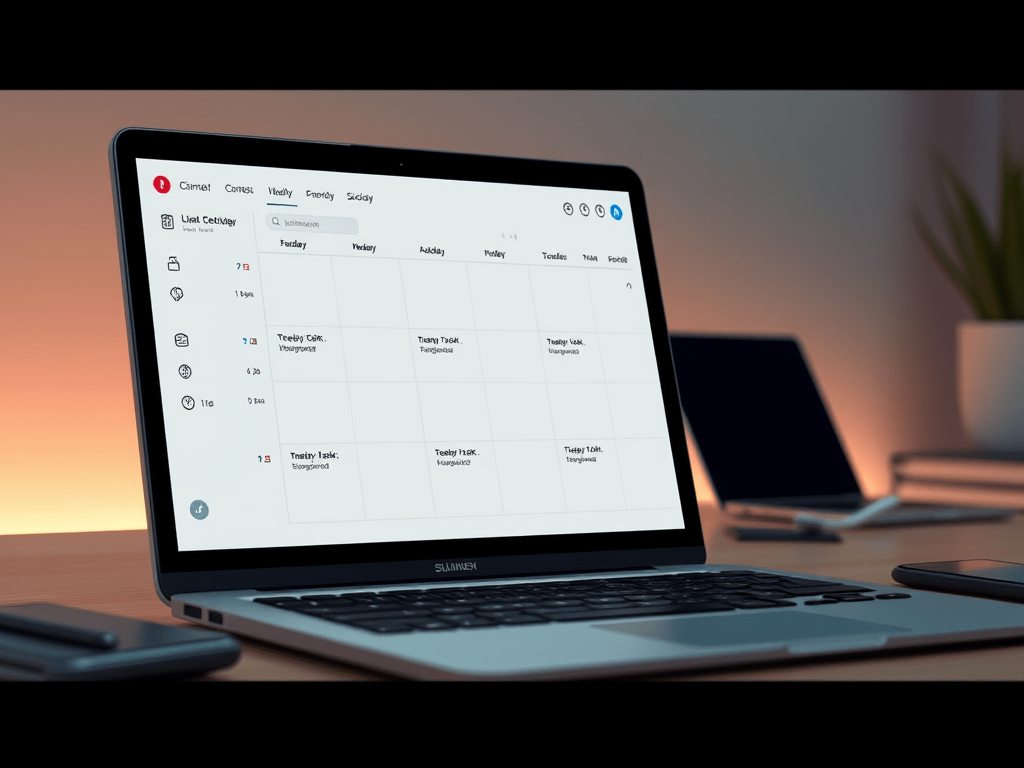
This month, my focus for Task Alchemist was to enhance the task scheduling functionality by integrating AI-driven optimization techniques and ensuring seamless user experiences with Google Calendar imports. Additionally, significant time was spent debugging task scheduling issues and utilizing Python for various backend processes. This post chronicles my journey, highlighting the features developed, challenges faced, and lessons learned.
New Features Developed
AI-Driven Task Scheduling
Goal: Implement reinforcement learning and regression-based scheduling to optimize task assignments.
Implementation:
- Reinforcement Learning Integration:
- Training Model on Schedule: The training of the reinforcement learning model happens on a schedule using a Cloud Run container. The model processes real user task data stored in Firebase.
- Optimized Scheduling: The optimized task scheduling can be triggered from the React app whenever the user pushes the “Schedule Tasks” button or drags a task from the inbox to the calendar.
- Database Updates: Upon scheduling, tasks are marked as scheduled, and corresponding appointments are saved in the database.
Google Calendar Integration
Goal: Ensure seamless import and persistence of Google Calendar events into FullCalendar.
Implementation:
- Data Import:
- Implemented a feature to import events from Google Calendar, tagging each imported event with
source: 'google'.
- Implemented a feature to import events from Google Calendar, tagging each imported event with
- Persistence:
- Used Firebase to store user-selected calendars, ensuring that these selections persist across sessions.
- Task Scheduling Around Events:
- Adjusted Firebase Cloud Functions to calculate priority weighting and schedule tasks around imported Google Calendar events.
Debugging Task Scheduling
Challenges: This month, a significant amount of time was spent debugging issues related to task scheduling. The primary challenges included:
- Data Inconsistencies: Ensuring data consistency between the tasks scheduled in the application and those stored in Firebase.
- Edge Cases: Handling edge cases such as overlapping tasks and tasks with conflicting priorities.
Approach:
- Logging and Monitoring: Implemented extensive logging and monitoring to trace issues and understand the flow of data.
- Unit Testing: Developed unit tests to validate the correctness of the scheduling logic.
- Python Scripts: Utilized Python for backend processes, including data cleaning and preprocessing before feeding it into the reinforcement learning model.
Retrospective
What Went Right
- Successfully integrated reinforcement learning for task scheduling, significantly improving the efficiency and accuracy of task assignments.
- Streamlined the process of importing Google Calendar events, providing users with a unified view of their schedules.
- Achieved a high level of persistence for user preferences, enhancing the overall user experience.
- Effective debugging of task scheduling issues, ensuring data consistency and handling edge cases.
What Went Wrong
- Encountered challenges with the initial setup of Cloud Run for model training, leading to delays.
- Faced difficulties in handling edge cases with Google Calendar events, such as recurring events and time zone differences.
Areas for Improvement
- Time Management: Allocate more time for testing and debugging complex integrations.
- User Feedback: Conduct more frequent user testing to identify and address issues early.
- Documentation: Improve documentation for new features to assist future development and onboarding of new team members.
Conclusion
This month has been a period of significant growth and learning. The advancements in AI-driven task scheduling and Google Calendar integration, coupled with extensive debugging efforts, have brought us closer to our vision for Task Alchemist. Moving forward, I aim to refine these features further, focusing on user feedback and continuous improvement.
By leveraging the knowledge gained from previous courses and experience, I am confident in tackling the next phase of development. The journey continues, and I look forward to the exciting challenges ahead.

 The Coded Path
Leave a comment